

Choosing the Right Gift Box for Your Brand
Size, material, and design choices that actually matter when you're buying for multiple recipients.
Read MoreHow to pack items so they arrive in perfect condition. We've covered fragile item handling, protective wrapping techniques, and custom presentation options that'll make your gifts stand out.

The unboxing experience is everything. When someone opens a corporate gift, the first 10 seconds shape their entire impression of your company. That's not just marketing talk—it's psychology. People form opinions based on what they see and touch before they even notice what's inside.
You could have the best products selected, but poor packaging destroys the moment. Conversely, thoughtful assembly with proper protection transforms a simple gift into a memorable experience. We're talking about damage prevention, visual presentation, and the tactile feel of opening something carefully prepared just for them.
Most damage happens during transit, not during packing. The difference between items arriving intact versus arriving broken comes down to layering. You're not just wrapping something—you're creating a protective system with multiple points of cushioning.
Start with a quality box. Don't skimp here. A standard corrugated box with double walls costs just pennies more than thin cardboard, but the difference in protection is massive. For items that are actually fragile—glasses, ceramic pieces, anything breakable—you want that double-wall construction.
Inside the box, you need layers. Tissue paper on the bottom (minimum 2 inches). Wrap each item individually—don't just throw things in loose. Bubble wrap works, but kraft paper crumpled into loose balls is actually better for non-glass items. It's softer, gives more gradually, and protects against sharp corners. Top everything with another 2 inches of protective material before closing the box.
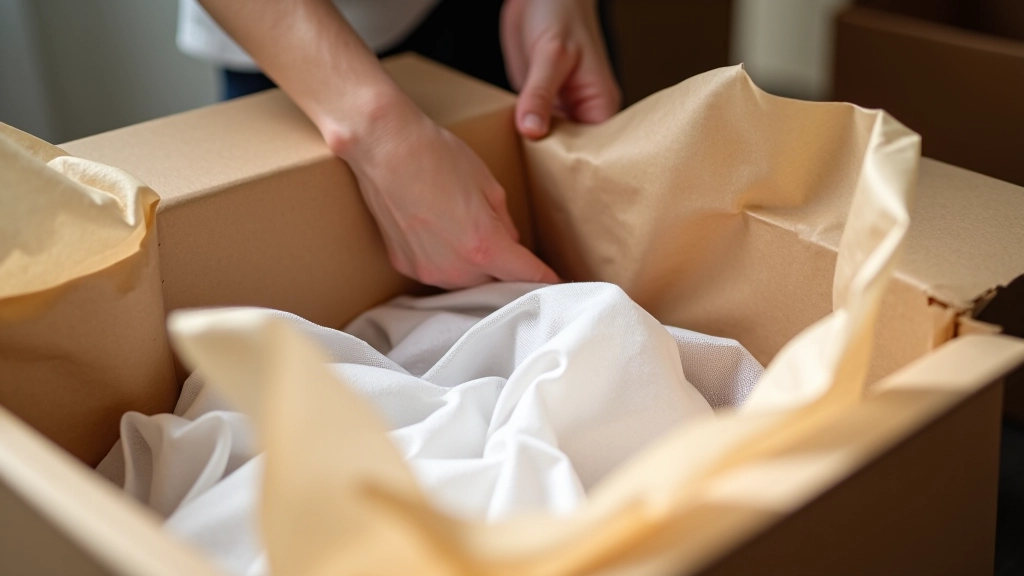

Once protection is handled, presentation takes over. This is where the gift actually becomes a gift instead of just merchandise. You've got a few routes here depending on your budget and the occasion.
Tissue paper is your friend. A single sheet looks thin, but layer 3-4 sheets in complementary colors and you get visual depth. It's affordable, recyclable, and creates that satisfying rustle when someone opens it. Avoid plastic wrapping if you can—it's harder to open and feels less premium. Tissue folds nicer and feels intentional.
Ribbons matter too, but don't overdo it. A single quality ribbon—silk, grosgrain, or linen—looks better than three cheap ones tangled together. Width matters. A 1-inch ribbon looks more substantial than half-inch. Tie it simply. A clean bow or a single knot with loose tails looks professional. Ornate bows look tacky unless you're going full luxury presentation.
Custom touches push it over the edge. A printed gift tag with the recipient's name. Your company logo on the tissue. A personalized message card. These aren't expensive—a batch of 500 custom gift tags runs about €40-60. But recipients notice. They remember.
Clean table, all materials organized, boxes stacked nearby. You'll move faster and make fewer mistakes when you're not hunting for tape or ribbon.
2 inches of protective material (crumpled kraft paper or packing peanuts) at the bottom. This cushions impacts from any direction.
Each product gets its own wrapping. Tissue for cosmetics and soft items, kraft paper for harder goods. Tape it down so nothing unfolds during transit.
Place items so they're visible when the box opens. Heaviest items on bottom. Don't bury the best product under cheaper items.
Add 2 inches of protective material on top. Seal with quality tape. Reinforce all seams—a burst box is a disaster.
Shipping label on top. Then tissue wrap the entire box if doing custom presentation. Add ribbon and tag as final touch.
Size, material, and design choices that actually matter when you're buying for multiple recipients.
Read More
Not all products are suitable for business gifting. Here's what recipients actually appreciate.
Read More
Timeline, budget management, and logistics for sending gifts to dozens or hundreds of people.
Read More
Editorial Team
Written by the ostraplex editorial team, focused on practical guidance for corporate gift curation and bulk holiday present planning.
This guide is intended for educational purposes to help with understanding best practices in gift packaging and assembly. Specific techniques and materials may vary based on your products, shipping distances, and local regulations. We recommend testing your packing methods before shipping large quantities. For fragile or specialty items, consider consulting with professional packaging services. Results and satisfaction will depend on factors beyond packaging alone, including product selection, recipient preferences, and delivery conditions.
Good packaging isn't complicated. It's just methodical. You're solving three problems at once: keeping items safe, making them look good, and creating a moment worth remembering. That's it. The rest is just execution.
Start with protection. If something arrives broken, presentation doesn't matter. Then layer in the visual elements. Tissue, ribbon, a custom tag—these details cost very little but feel premium. Test your process on a small batch before you commit to 200 boxes. You'll catch problems early and refine your workflow.
Your recipients will notice. They'll open the box more carefully. They'll take photos. They'll remember your company did this thoughtfully. That's the actual value of good packaging. It's not just protection—it's communication. You're saying "we care about the details" without saying a word.